 (Shari Springer Berman, Robert Pulcini, 2003) There's a lot of debate among graphic connoisseurs (comic-book fans) about which of the glut of "spandex movies" have captured the "essence" of its three-color source.
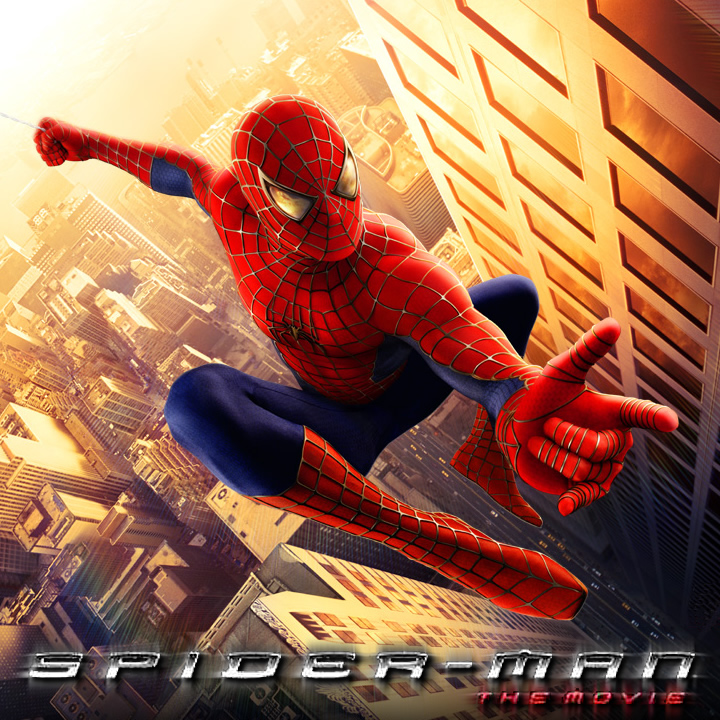
 It's a puzzler, because the media communicate differently. Comics create a story-telling flow through still images--the reader must fill in the gaps* and that covers a lot of story-telling problems and physical impossibilities that films, if they are to represent reality, have to compromise. The geeks argue the "Spider-man" films are a good representative of the comic, but it takes more than re-creating iconic poses.
There are those in my circle who consider the first Hellboy film to closely follow its graphic predecessor, and it does to a degree, though the insertion of an unlikely "Beauty and the Beast" romance is more in line with Hollywood sensibilities than Mike Mignola's. For a more literal translation of a comic source Robert Rodriguez took Frank Miller's "Sin City" black and white minimalist post-card approach and used it as a storyboard for his film--which exposed the heavy-breathing hyper-silliness of the source material.


